Choosing speakers for home audio involves navigating a complex landscape of technical specifications, design philosophies, and personal preferences. The objective is to match a speaker system to your specific listening environment, intended use, and aesthetic considerations, ensuring an optimal audio experience without overspending on features you don't need or underinvesting in critical components. This guide outlines the essential factors and speaker types to consider, providing a framework for making an informed decision.
Assessing Your Listening Environment and Needs
Before evaluating specific speaker models, define the context in which they will operate. This foundational step dictates speaker size, type, and power requirements.
Room Size and Acoustics
The physical dimensions and materials of your listening room significantly influence sound reproduction. Larger rooms or open-concept spaces generally benefit from speakers capable of higher output and broader dispersion to fill the area effectively. Conversely, smaller rooms or those with many reflective surfaces (hardwood floors, bare walls) might be better served by speakers with more controlled dispersion patterns or smaller cabinets to minimize unwanted reflections and boomy bass. Soft furnishings, carpets, and drapes absorb sound, reducing echo and improving clarity, which can allow for a wider range of speaker choices.
Primary Use Case
Your primary audio activity determines the critical performance attributes.
- Music Listening: For critical music appreciation, prioritize speakers with accurate frequency response, detailed mid-range, clear highs, and a wide soundstage. Stereo imaging and transient response become key.
- Home Theater: For movies and gaming, dynamic range, dialogue clarity, and impactful bass are paramount. A system with a dedicated center channel, surround speakers, and a powerful subwoofer will enhance immersion.
- Background Audio/Multi-Room: If the goal is ambient music throughout the home, convenience, wireless connectivity, and unobtrusive design may outweigh absolute fidelity.
Budget Allocation
Establish a realistic budget early. Speakers are often the most impactful component in an audio chain, but they require amplification and source components. A balanced approach ensures that no single component bottlenecks the system's overall performance. Allocate funds considering that a good amplifier is crucial for driving speakers effectively, and quality cabling can prevent signal degradation.
Understanding Speaker Types
Speaker designs vary widely, each suited to different applications and spatial constraints.
Bookshelf Speakers: Compact and versatile, these speakers are designed to be placed on shelves, stands, or desktops. They typically offer excellent stereo imaging and detail, making them suitable for smaller rooms or near-field listening. Most bookshelf models require a separate subwoofer to reproduce deep bass frequencies effectively.
Floorstanding Speakers: Also known as tower speakers, these are larger units designed to stand directly on the floor. They usually feature multiple drivers, including dedicated woofers, which allows them to reproduce a full frequency range, often without the immediate need for a subwoofer. Floorstanding speakers deliver a larger soundstage and greater dynamic impact, making them ideal for medium to large rooms and serious music or home theater setups.
Soundbars: These elongated, self-contained speaker systems are designed to sit horizontally below a television. They offer a significant upgrade over built-in TV speakers, providing clearer dialogue and a wider soundstage, often with virtual surround sound processing. Soundbars are a space-saving solution for simplified home theater, though they generally do not match the fidelity or channel separation of a multi-component system. If you're interested in this compact solution, a soundbar buying guide can help you choose the best model for your needs.
Subwoofers: A dedicated speaker designed solely to reproduce low-frequency sounds (bass). Subwoofers add depth and impact to music and movies, complementing the bass response of main speakers. They are essential for home theater systems and often enhance the experience of music genres with strong bass lines.
In-wall/In-ceiling Speakers: These speakers are installed flush within walls or ceilings, offering a discreet audio solution. They are popular for multi-room audio systems or minimalist home theater setups where visible speakers are undesirable. Installation typically requires cutting into drywall and running wires, making them a more permanent fixture.
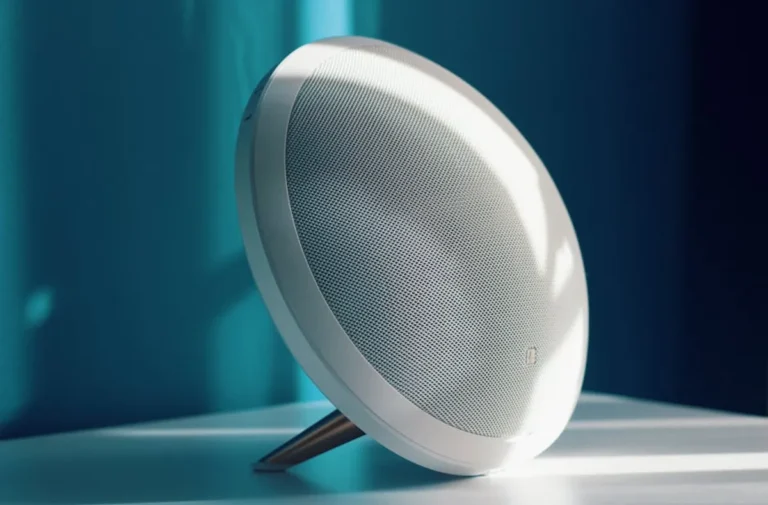
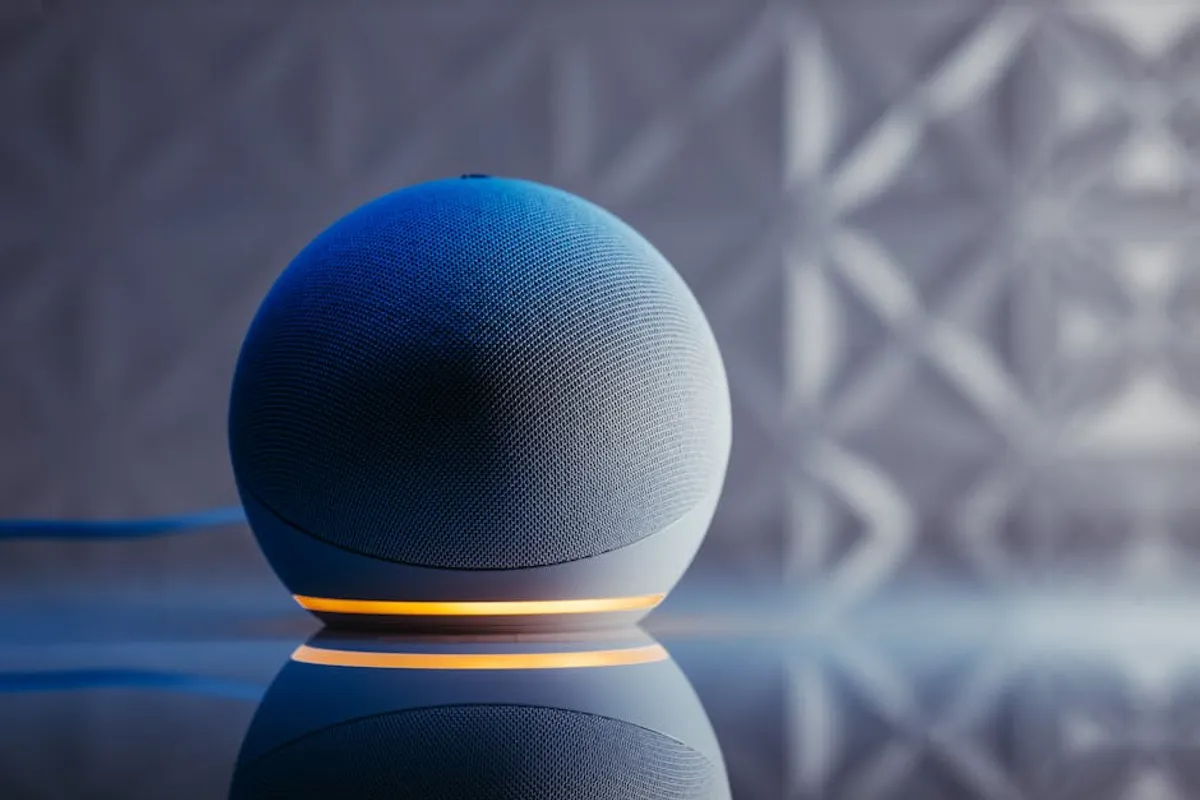
Wireless/Smart Speakers: These all-in-one units combine amplification, digital signal processing, and network connectivity. They offer convenience for streaming music from various sources (Wi-Fi, Bluetooth) and often include voice assistant integration. While highly convenient for casual listening or multi-room audio, their compact size can limit ultimate sound quality compared to traditional component systems.
Deciphering Speaker Specifications
Technical specifications provide objective data points, but their interpretation requires context.
Frequency Response
Expressed in Hertz (Hz), this range indicates the lowest and highest frequencies a speaker can reproduce (e.g., 40Hz - 20kHz). A wider range suggests a fuller sound, but the +/- dB tolerance (e.g., 40Hz-20kHz +/- 3dB) indicates how flat the response is within that range. A flatter response typically means more accurate sound reproduction.
Sensitivity
Measured in decibels (dB) at 1 watt of power at 1 meter distance (e.g., 87dB @ 1W/1m), sensitivity indicates how efficiently a speaker converts amplifier power into sound. Higher sensitivity speakers (e.g., 90dB+) require less amplifier power to achieve a given volume level, making them suitable for lower-powered amplifiers. Lower sensitivity speakers (e.g., 85dB or less) will demand more power from the amplifier for the same output.
Impedance
Measured in ohms (Ω), impedance represents the electrical resistance a speaker presents to an amplifier. Common values are 4, 6, or 8 ohms. Lower impedance speakers demand more current from an amplifier. Ensure your amplifier is rated to safely drive the impedance of your chosen speakers to prevent damage or poor performance.
Power Handling
This specification, often given as a range (e.g., 20-100 watts RMS), indicates the minimum and maximum amplifier power a speaker can safely handle. Matching your amplifier's output wattage within this range prevents underpowering (which can cause distortion and damage) or overpowering the speakers.
Driver Configuration
Speakers utilize different drivers for specific frequency ranges:
- Tweeters: Small drivers for high frequencies (treble), typically made from silk, metal, or composite materials.
- Mid-range Drivers: Reproduce vocal and instrumental frequencies, crucial for clarity and presence.
- Woofers: Larger drivers responsible for low frequencies (bass). The size and material of the woofer significantly impact bass depth and impact.
The number and quality of these drivers, along with the crossover network that directs frequencies to the appropriate driver, dictate a speaker's overall sound signature.
Connectivity and System Integration
Consider how your speakers will connect to your audio system and integrate into your home.
Wired Connections
Traditional passive speakers require speaker wire to connect to an amplifier or receiver. The gauge (thickness) of the wire should be appropriate for the length of the run and the speaker's impedance. Thicker wire (lower gauge number) reduces resistance over longer distances. Banana plugs or spade connectors can simplify connections and ensure a secure, low-resistance contact.
Wireless Technologies
Active speakers or smart speakers often incorporate wireless connectivity.
- Bluetooth: Convenient for short-range, direct streaming from mobile devices. Can involve audio compression, affecting fidelity.
- Wi-Fi: Offers higher bandwidth for lossless audio streaming, often integrated into multi-room audio ecosystems (e.g., AirPlay, Chromecast, proprietary platforms). Provides greater range and stability than Bluetooth.
Amplification Matching
Passive speakers require an external amplifier. This can be a stereo receiver, an AV receiver (for home theater), or a dedicated integrated amplifier. Matching the amplifier's power output (watts per channel) and its ability to drive specific speaker impedances is critical. An underpowered amplifier can clip (distort) the audio signal at higher volumes, potentially damaging speakers. An overpowered amplifier can also damage speakers if played excessively loud.
Pro Tip: Always audition speakers in a controlled environment, ideally with music you know well. Small differences in room acoustics, amplifier pairing, and personal preference significantly alter perceived sound quality. Rely on your ears, not just specifications.
Making Your Final Selection
The ideal speaker system is a synergy of technical performance, aesthetic integration, and personal sonic preference. Begin by prioritizing your primary listening goals—whether it's immersive home theater, critical music analysis, or convenient background audio. Evaluate how different speaker types fit within your room's physical constraints and visual design. Finally, balance your budget across all necessary components, ensuring quality amplification and source equipment complement your chosen speakers. Listen to various options with familiar content to discern the nuances of sound presentation, as objective specifications only tell part of the story. Your ears are the ultimate arbiter of what sounds best to you in your unique environment.
Frequently Asked Questions
What's the difference between passive and active speakers?
Passive speakers require an external amplifier to power them. Active speakers have built-in amplifiers, meaning they only need a power source and an audio signal. Active speakers often offer simpler setups but less flexibility for component upgrades.
Do I need a subwoofer for home audio?
For home theater, a subwoofer is almost essential for impactful low-frequency effects. For music, it depends on your main speakers' bass capabilities and your listening preferences. Many bookshelf speakers benefit significantly from a subwoofer to extend their low-end response, while some large floorstanding speakers can provide sufficient bass on their own.
How much power do my speakers need?
Refer to the speaker's "power handling" specification, which provides a recommended amplifier wattage range. Aim for an amplifier whose continuous power output falls within this range. Using an amplifier with slightly more power than the speaker's minimum recommendation often provides better dynamics and headroom, but avoid exceeding the speaker's maximum power handling.
Where should I place my speakers for the best sound?
Speaker placement significantly impacts sound quality. Generally, speakers should form an equilateral triangle with your primary listening position. Keep them away from walls to prevent boomy bass, and angle them slightly inward (toe-in) towards the listener for optimal imaging. Experimentation is key, as every room is different.