
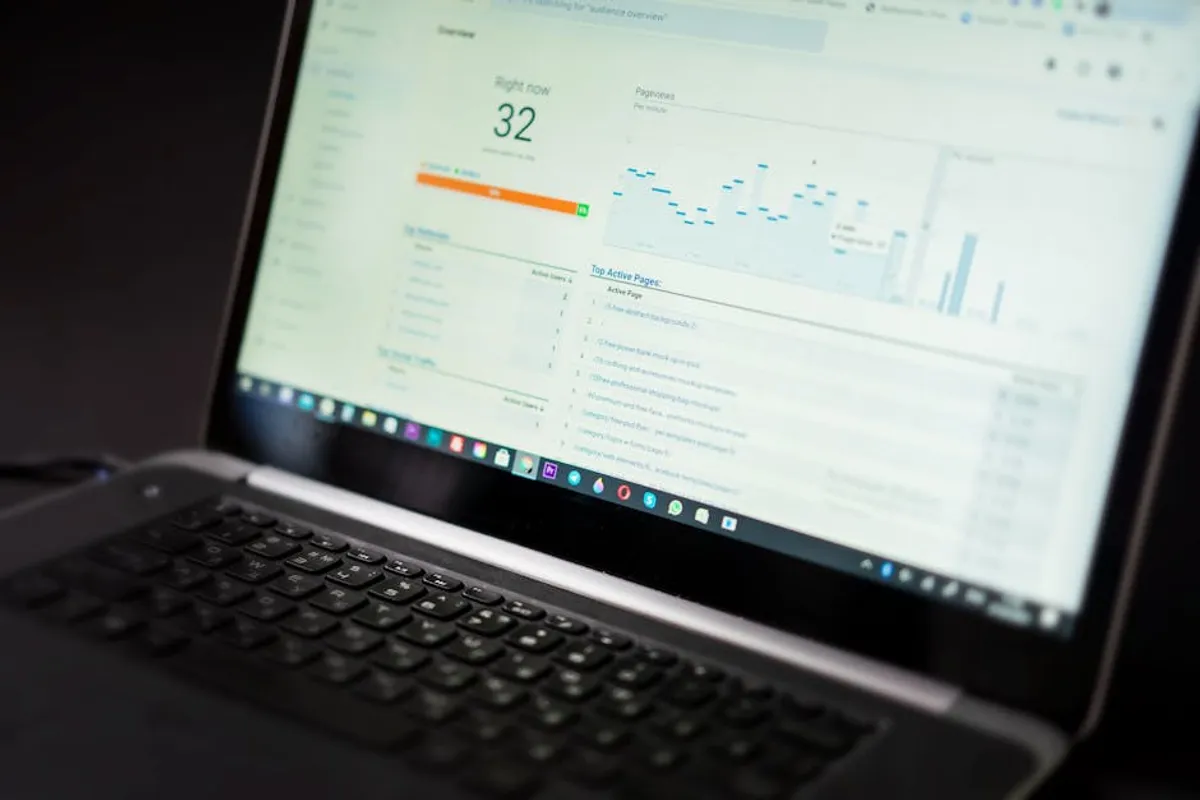
For SEO professionals, marketers, and site owners, the decision to invest in a keyword rank tracker often hinges on its ability to deliver actionable intelligence. While weekly or even monthly rank checks offer a general overview, the dynamic nature of search engine results pages (SERPs) and the aggressive timelines of modern SEO campaigns demand a more granular approach. A dedicated SEO keyword rank tracker providing daily rankings is not merely an incremental upgrade; it is a fundamental shift in how campaign performance is monitored, analyzed, and optimized, providing the real-time data necessary to react swiftly and strategically in competitive landscapes. This granular approach ensures you have the daily rankings for campaigns that matter most to your strategy.
Tracking Daily Shifts: Granularity for Campaign Agility
The core utility of a daily rank tracker for campaigns lies in its ability to capture immediate shifts in keyword performance. SERP volatility, algorithm updates, competitor actions, and even seasonal trends can manifest within 24 hours. Waiting a week for rank data means losing critical time to respond. Daily tracking provides the intelligence needed to:
- Identify Immediate Performance Drops: Quickly detect significant keyword rank declines that could indicate a technical issue, a penalty, or a major competitor move. Early detection allows for rapid investigation and mitigation.
- Validate Campaign Adjustments: When a content update, link building push, or technical optimization is deployed, daily data shows its impact almost immediately. This feedback loop is essential for agile campaign management, allowing for quick iteration or course correction.
- Monitor Competitor Activity: Observe how competitor content launches, ad campaigns, or site changes affect their organic visibility and, by extension, your own. This competitive intelligence is vital for maintaining market share.
- Capitalize on Emerging Trends: Spot keywords gaining traction or sudden increases in search volume, allowing campaigns to pivot and capture new opportunities before they become saturated.
Beyond Spot Checks: The Value of Daily Data Streams
Daily rank data transforms monitoring from a reactive chore into a proactive strategic asset. It moves beyond simply knowing "where you rank" to understanding "why you rank there" and "what to do next."
Identifying Volatility and SERP Flux
SERPs are rarely static. Daily tracking reveals the inherent volatility of specific keywords and niches. Some terms may fluctuate wildly, while others remain relatively stable. Understanding this baseline volatility for your target keywords helps in interpreting changes. A 3-position drop on a highly volatile keyword might be normal, while the same drop on a usually stable term warrants immediate attention. This context prevents overreaction to minor blips and focuses resources on significant shifts.
Rapid Response to Algorithm Updates
Major search engine algorithm updates can have widespread impacts, often rolling out over several days or weeks. Daily rank tracking allows SEOs to pinpoint the exact timing of performance changes relative to these updates. This temporal correlation is invaluable for diagnosing the effects of an update on specific keyword sets or content clusters, informing targeted recovery or optimization strategies.
Structuring Campaigns for Precision Tracking
An effective daily rank tracker supports campaign goals by allowing for granular organization and analysis of keywords, reflecting the structure of your SEO initiatives.
Segmenting Keywords for Targeted Analysis
Campaigns rarely target a monolithic set of keywords. They are typically structured around specific products, services, content pillars, or geographic regions. A robust rank tracker enables the creation of distinct keyword groups or tags that mirror these campaign segments. This allows for:
- Performance by Campaign Goal: Track the collective ranking progress for keywords associated with a new product launch versus an evergreen content strategy.
- Geographic Performance: Monitor local rankings for brick-and-mortar businesses or regional campaigns, ensuring local packs and localized organic results are captured accurately.
- Content Cluster Performance: Group keywords by content topic or hub-and-spoke models to assess the overall authority and ranking power of specific content clusters.
Benchmarking Against Campaign Competitors
Every SEO campaign operates within a competitive ecosystem. A daily rank tracker should facilitate the inclusion of key competitors, allowing you to track their daily organic visibility alongside your own. This provides immediate insights into their content performance, new keyword targeting, and overall SERP dominance within your campaign's target terms. Understanding competitor movement daily allows for timely defensive or offensive maneuvers, such as identifying content gaps they are exploiting or new keywords they are ranking for.
Actionable Reporting and Visualization
Raw data is only useful if it can be quickly interpreted and acted upon. A strong daily rank tracker translates complex data into clear, actionable reports.
Customizing Dashboards for Campaign Performance
For campaign managers, a customizable dashboard is critical. It should allow users to prioritize and display the most relevant metrics for their specific campaign objectives, such as:
Key Metrics: Top keyword movers (up/down), average position for specific keyword groups, estimated traffic potential, visibility index, and competitor comparisons.
Visualization: Trend graphs showing rank progression over time, heatmaps for keyword performance, and share-of-voice metrics tailored to campaign segments. These visualizations enable quick identification of trends and anomalies without deep-diving into spreadsheets.
Automating Stakeholder Updates
Campaigns often involve multiple stakeholders, from content teams to executive leadership. The ability to schedule and automate daily, weekly, or monthly reports directly from the tracker saves significant time. These reports should be customizable to include only the relevant data points and visualizations for each audience, ensuring clarity and focus on campaign ROI and progress.
Pro Tip: While daily rank data is powerful, avoid making knee-jerk reactions to single-day fluctuations. Instead, use daily data to identify patterns and trends over 3-7 days. Focus on the trajectory of keywords and keyword groups rather than isolated movements, especially for highly competitive or volatile terms. Consistent, incremental gains or losses often reveal more about campaign effectiveness than a one-off spike or dip.
Optimizing Your Rank Tracking Investment
Selecting an SEO keyword rank tracker that delivers daily rankings is an investment in agility and precision for your SEO campaigns. It shifts the focus from periodic checks to continuous performance monitoring, enabling data-driven decisions that directly impact campaign success. Look for features that support extensive keyword lists, granular segmentation, robust competitor analysis, and flexible reporting options to maximize the commercial utility of your tracking efforts. The ability to quickly interpret and act on daily changes is what differentiates successful, responsive campaigns from those that lag behind. This continuous monitoring allows you to effectively watch rankings at scale, adapting your strategy in real-time.
Frequently Asked Questions
Why are daily keyword rankings more valuable than weekly or monthly?
Daily rankings provide real-time insights into SERP shifts, algorithm updates, and competitor actions, allowing for immediate campaign adjustments and preventing prolonged performance declines or missed opportunities.
Can daily rank tracking help with local SEO campaigns?
Yes, many daily rank trackers offer location-specific tracking, allowing businesses to monitor their performance in specific cities, states, or even postal codes, which is crucial for local SEO campaign optimization.
How many keywords should I track daily for a typical campaign?
The ideal number varies by campaign scope and budget, but focus on tracking your most commercially valuable keywords, core topic clusters, and essential competitor terms. Prioritize quality over quantity to ensure actionable data.
Does daily rank tracking consume significant resources?
While daily data collection requires more processing than less frequent checks, modern rank trackers are optimized for efficiency. The commercial benefits of immediate insights and improved campaign responsiveness typically outweigh the operational overhead.