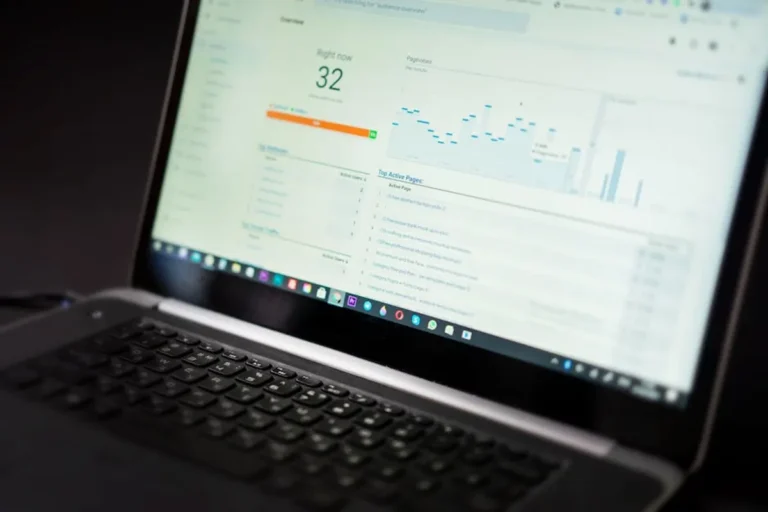

A rank tracker is not merely a reporting tool; it is a strategic asset for any entity engaged in search engine optimization. It provides the empirical data required to validate content strategies, assess competitive landscapes, and measure the tangible impact of SEO efforts. Choosing the right rank tracker, however, involves more than comparing feature lists. It requires a clear understanding of your operational scale, budget constraints, reporting requirements, and the specific nuances of your target market. This decision directly influences your ability to monitor performance accurately, adapt to algorithm shifts, and articulate SEO value to stakeholders.
What is a Rank Tracker?
At its core, a rank tracker is a software application designed to monitor the positions of specific keywords within search engine results pages (SERPs). It automates the process of checking where your website, or your competitors' websites, appear for a predefined set of search queries. This continuous monitoring delivers critical insights into your organic visibility and market share.
The utility extends beyond simple position checks. A robust rank tracker collects and presents data points such as:
- Daily or weekly position changes: Identifying upward or downward trends for individual keywords.
- Average position: An aggregate view of your overall organic visibility.
- SERP feature presence: Tracking appearances in featured snippets, local packs, image packs, video carousels, and other non-standard organic results.
- Local search performance: Monitoring rankings from specific geographic locations, crucial for businesses with physical presences.
- Competitor tracking: Benchmarking your performance against key rivals to identify opportunities and threats.
- Historical data: Providing a long-term view of keyword performance, essential for trend analysis and strategy validation.
Without this data, SEO decisions often rely on intuition rather than evidence, making it difficult to justify resource allocation or demonstrate return on investment.
Selecting a Rank Tracker: Key Evaluation Criteria
The process of choosing a rank tracker should be methodical, weighing specific functionalities against your operational requirements. Focus on these critical areas to ensure the tool aligns with your strategic goals.
Data Granularity and Update Frequency
The precision and timeliness of ranking data are paramount. Some tools offer daily updates, providing a near real-time pulse on keyword performance, while others update less frequently. Daily updates are essential for volatile keywords, competitive niches, or during active SEO campaigns where rapid feedback is needed. Less frequent updates might suffice for long-term trend analysis or less competitive terms.
Local and Global Coverage
Consider the geographic scope of your SEO efforts. If your business targets specific cities, states, or countries, the tracker must support geo-specific tracking down to the zip code or city level. For international operations, ensure it covers the relevant search engines and locales beyond the primary ones.
Device-Specific Tracking
Mobile-first indexing means mobile rankings are often distinct from desktop rankings. A capable rank tracker will offer the ability to monitor positions separately for desktop and mobile devices, providing a complete picture of your search presence across user contexts.
Keyword Capacity and Cost Efficiency
Rank trackers are typically priced based on the number of keywords you can track, the frequency of updates, and the volume of data stored. Evaluate your current and projected keyword universe. An individual blogger might need to track dozens of keywords, while a large enterprise or agency could require tracking thousands across multiple projects. Ensure the pricing model scales with your needs without incurring prohibitive costs. Some platforms offer tiered pricing based on keyword volume, while others use a credit-based system.
Reporting, Visualization, and Customization
Raw ranking data is only useful if it can be interpreted and presented effectively. Look for intuitive dashboards that visualize trends, highlight significant changes, and allow for easy filtering and segmentation of data. Customization options are crucial for tailoring reports to different stakeholders, from internal marketing teams to external clients.
White-Label Options for Agencies
Agencies often require white-label reporting capabilities to present data under their own brand. This feature allows for professional, client-ready reports without visible branding from the rank tracking provider, enhancing client perception and trust.
SERP Feature Monitoring
Modern SERPs are rich with features beyond the traditional ten blue links. Tracking your visibility in featured snippets, local packs, image carousels, video results, and People Also Ask boxes provides a more complete understanding of your organic presence and opportunities. A tracker that identifies and reports on these specific features allows for targeted optimization efforts.
Competitive Intelligence Capabilities
Understanding where your competitors rank for your target keywords is as important as tracking your own positions. A robust rank tracker allows you to add competitor domains and compare their performance against yours, revealing keyword gaps, competitive strengths, and areas where you might be losing ground. This competitive data informs content strategy, link building, and overall market positioning.
Integration Ecosystem
Consider how the rank tracker integrates with other tools in your SEO stack. Seamless connections with platforms like Google Search Console, Google Analytics, or other data visualization tools can streamline workflows, enrich data analysis, and consolidate reporting. API access is particularly valuable for larger organizations needing to pull raw data for custom dashboards or internal systems.
User Experience and Support
An intuitive interface reduces the learning curve and improves daily efficiency. Evaluate the ease of setting up new projects, adding keywords, and navigating reports. Reliable customer support, comprehensive documentation, and community forums are also important for troubleshooting and maximizing tool utilization.
Pro Tip: When evaluating a rank tracker, don't just look at the highest position it reports. Pay close attention to how it handles keywords that are not ranking in the top 100 or 200. Some tools might simply report "N/A" or "Not Found," which can obscure valuable data about new content or low-performing pages that still hold potential.
Making the Right Selection for Your Needs
The optimal rank tracker is not a universal solution but one tailored to your specific context. For individual site owners or small businesses with limited budgets, a tool prioritizing cost-effectiveness, ease of use, and basic daily tracking might be sufficient. These tools often provide solid core functionality without the advanced integrations or white-label options that drive up costs.
Agencies and larger enterprises, conversely, will prioritize scalability, extensive competitive analysis, advanced reporting customization, and robust API access. Their needs often include managing multiple client projects, generating branded reports, and integrating data into broader business intelligence systems. Local businesses will find specific value in tools offering granular geographic tracking and local pack monitoring.
Before committing, leverage free trials to test the interface, data accuracy, and reporting capabilities with your own keywords and projects. This hands-on evaluation will provide the most accurate assessment of a tool's suitability for your unique operational demands.
Frequently Asked Questions
What is the primary benefit of using a rank tracker?
The primary benefit is objective performance measurement. It provides quantifiable data on your website's visibility in search results, allowing you to track progress, identify issues, and justify SEO investments with concrete evidence.
How often should I check my keyword rankings?
While daily tracking is ideal for understanding immediate fluctuations and campaign impact, weekly or even monthly checks can suffice for stable, long-term trend analysis. The frequency depends on your industry's volatility and the pace of your SEO efforts.
Can a rank tracker help with competitor analysis?
Yes, most rank trackers allow you to monitor competitor domains for the same keyword sets. This reveals their strengths, weaknesses, and potential keyword opportunities you might be overlooking.
Are rank trackers accurate?
Rank trackers aim for high accuracy by simulating real user searches from various locations and devices. However, individual search results can vary slightly due to personalization, search history, and real-time algorithm adjustments. Reputable tools provide highly reliable data for trend analysis.