Choosing between headphones and earbuds involves a direct trade-off between several key performance attributes and user priorities. This decision is not about inherent superiority, but about aligning a device's design and capabilities with specific listening environments, comfort preferences, and functional requirements. Both categories offer distinct advantages and disadvantages that impact audio fidelity, portability, and overall user experience.
Audio Fidelity and Soundstage
Headphones, particularly over-ear models, frequently deliver a more expansive soundstage and superior audio fidelity. This is primarily due to their larger drivers, which can displace more air and reproduce a wider frequency range, especially in the lower bass registers. The sealed or semi-sealed earcups create an acoustic chamber that enhances sound projection and prevents leakage, contributing to a richer, more immersive listening experience. Critical listeners, audiophiles, or those prioritizing nuanced sound reproduction for music production or high-resolution audio often find headphones indispensable.
Earbuds, by contrast, rely on smaller drivers and typically push sound directly into the ear canal. While modern advancements have significantly improved their audio quality, they generally struggle to match the physical presence and deep bass extension of larger headphones. Their soundstage tends to be more intimate and less expansive. However, high-quality earbuds can still offer clear mids and crisp highs, making them suitable for casual listening, podcasts, and general media consumption where extreme fidelity is not the primary concern.
Comfort and Fit Considerations
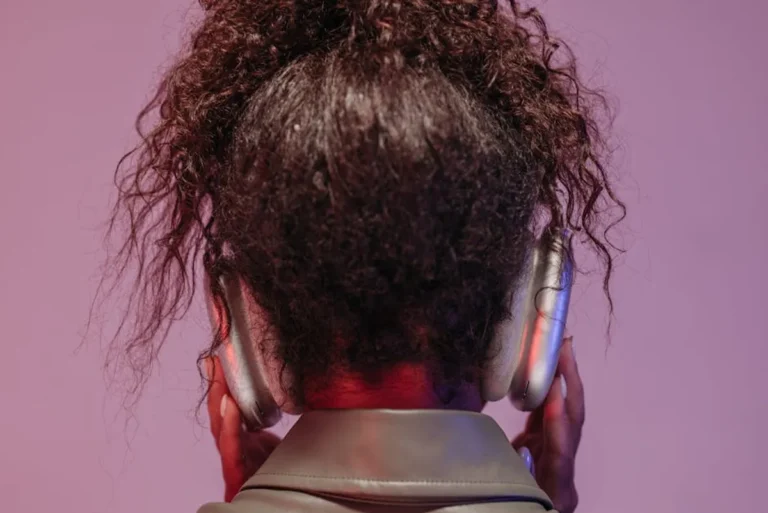
Comfort is a highly subjective but critical factor. Headphones distribute their weight across the head and around the ears, often using soft padding on earcups and headbands. This design can be comfortable for extended wear, preventing direct pressure on the ear canal. However, some users experience heat buildup around the ears, especially in warmer climates or during intense physical activity. The clamping force of a headband can also become a point of discomfort for certain head shapes.
Earbuds, designed to sit within or just outside the ear canal, offer a less obtrusive fit. Their lightweight nature often makes them feel almost imperceptible. The key to earbud comfort lies in finding the correct ear tip size and material to ensure a secure yet gentle seal. An improper fit can lead to discomfort, ear fatigue, or the earbuds falling out. Silicone tips are common, but foam tips can offer better isolation and a more customized fit for some users. Best for: Users sensitive to ear pressure or seeking minimal contact with their ears.
Portability and Convenience
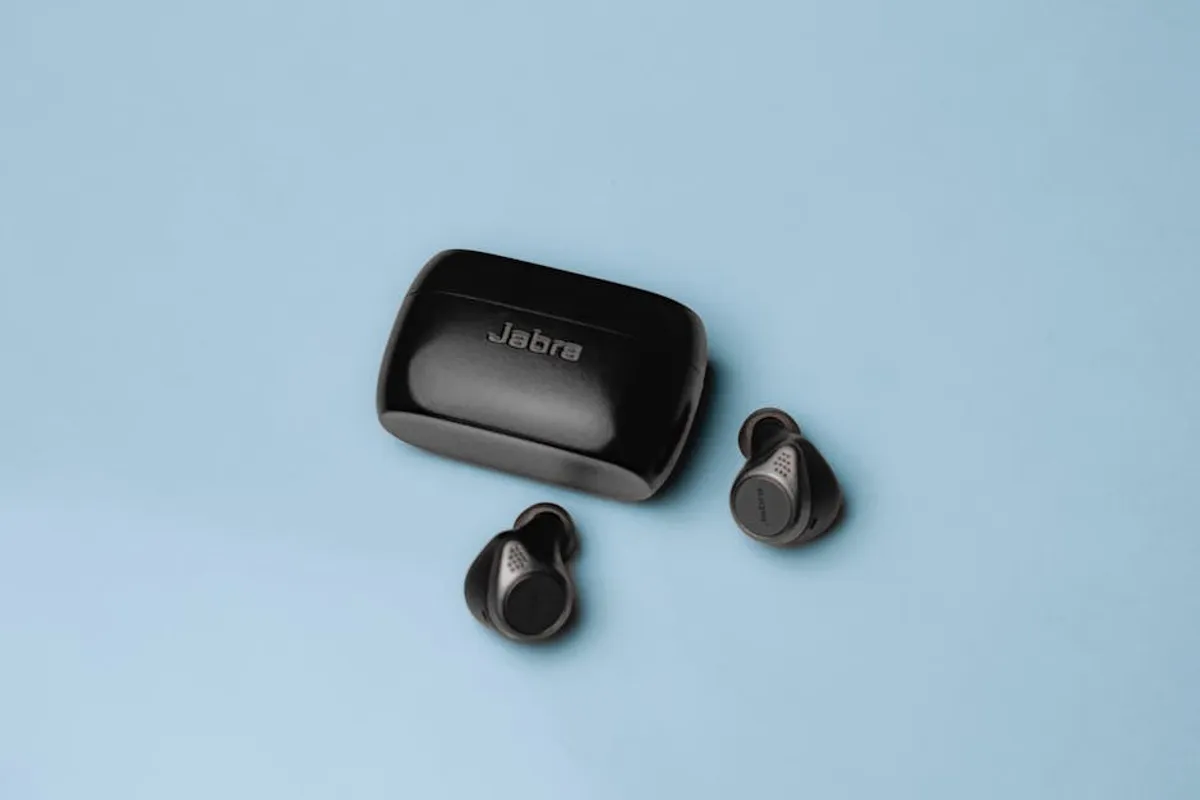
Earbuds excel in portability. Their compact size allows them to be easily slipped into a pocket, small bag, or even worn around the neck when not in use. True wireless earbuds, with their charging cases, offer unparalleled convenience for on-the-go lifestyles, requiring minimal storage space and eliminating tangled cables. This makes them ideal for commuting, travel, and quick access.
Headphones, even collapsible models, are inherently bulkier. They require more dedicated storage space and are less discreet to carry. While some come with protective cases, these add to the overall footprint. Their size can be a disadvantage in crowded spaces or when packing light. Best for: Users who prioritize minimal bulk and ease of transport.
Pro Tip: When evaluating portability, consider not just the device's size, but also its charging solution. True wireless earbuds often provide multiple recharges from their case, extending battery life significantly without needing a wall outlet, a key advantage for frequent travelers.
Battery Life and Charging
Generally, over-ear headphones offer superior battery life compared to earbuds. Their larger physical size accommodates larger batteries, allowing for extended listening sessions, often ranging from 20 to 40 hours or more on a single charge, especially for models without active noise cancellation engaged. This makes them reliable for long flights or multi-day use without frequent recharging.
Earbuds, due to their miniature form factor, house smaller batteries. Individual earbud playtime typically ranges from 4 to 8 hours. However, their charging cases act as portable power banks, extending total listening time considerably, often to 20-30 hours before the case itself needs recharging. The need to frequently dock earbuds in their case for recharging can be a minor inconvenience for continuous, extended use.
Noise Isolation and Active Noise Cancellation (ANC)
Both headphones and earbuds can offer effective noise reduction, but through different mechanisms. Over-ear headphones provide passive noise isolation by physically sealing the ears, blocking ambient sounds. Many premium headphones also incorporate Active Noise Cancellation (ANC) technology, which uses microphones to detect external noise frequencies and generates inverse sound waves to cancel them out, particularly effective against low-frequency hums like engine noise.
Earbuds achieve passive noise isolation primarily through their in-ear seal. A good fit is crucial for this. ANC is also available in many high-end earbud models, providing a surprisingly effective level of quiet for their size. While earbud ANC has improved significantly, the physical mass and larger acoustic chambers of over-ear headphones often give them a slight edge in overall noise cancellation performance, especially in extremely loud environments.
Durability and Build Quality
The durability of headphones often stems from their more robust construction. Materials like metal, high-grade plastics, and reinforced cables contribute to their longevity. The larger components are less susceptible to damage from minor impacts. However, hinges and swivels on folding headphones can be points of weakness if not well-engineered.
Earbuds, being smaller and more delicate, are generally more vulnerable to damage from drops, water exposure, or being crushed. The tiny wires (even in wired models) and internal components require careful handling. However, many modern earbuds come with IP ratings for water and sweat resistance, making them suitable for workouts. The charging case also adds a layer of protection during transport.
- Headphones: Larger components, often more robust materials, better resistance to being lost.
- Earbuds: Smaller, more delicate, prone to being lost, but often come with water/sweat resistance ratings.
Investment and Value Proposition
The price spectrum for both headphones and earbuds is vast, ranging from budget-friendly options to premium audiophile-grade devices. Generally, achieving top-tier audio fidelity and advanced features like superior ANC tends to be more expensive in both categories. However, the cost-per-feature ratio can vary. For comparable sound quality and ANC performance, high-end headphones might offer a slightly better value proposition due to their larger drivers and robust construction, while high-end earbuds command a premium for their miniaturization and advanced wireless capabilities.
Making Your Decision
The "better" choice between headphones and earbuds is entirely dependent on your primary use case and personal preferences. There is no universal winner, only the optimal tool for a specific job.
Consider these factors when making your selection:
Choose Headphones if:
- Audio fidelity and a wide soundstage are your top priorities.
- You spend extended periods listening at a desk or in a stationary environment.
- Maximum passive and active noise cancellation is essential for focus.
- You prefer the feel of over-ear cushioning and can tolerate potential ear warmth.
- Longest possible single-charge battery life is critical.
Choose Earbuds if:
- Portability and discreetness are paramount.
- You need a lightweight option for exercise, commuting, or travel.
- You prefer minimal contact with your head and ears.
- Water and sweat resistance are necessary features.
- You prioritize convenience and quick access over absolute soundstage breadth.
Frequently Asked Questions
Q: Can earbuds offer sound quality comparable to over-ear headphones?
A: While high-end earbuds have significantly improved, they generally cannot match the expansive soundstage and deep bass presence of premium over-ear headphones due to physical limitations of driver size and acoustic chamber design.
Q: Are earbuds more hygienic than headphones?
A: Earbuds sit directly in the ear canal and can accumulate earwax and bacteria, requiring regular cleaning. Headphones sit over the ears, but ear pads can still collect sweat and oils, also necessitating routine maintenance for hygiene.
Q: Which option is better for gaming?
A: For competitive gaming, over-ear headphones are often preferred due to their superior soundstage for positional audio cues, better microphone quality, and extended comfort for long sessions. However, some gamers use earbuds for portability or specific console setups.
Q: Do active noise-canceling earbuds work as well as ANC headphones?
A: ANC technology in earbuds is highly effective, especially against low-frequency hums. However, the larger physical barrier and acoustic chamber of over-ear ANC headphones often provide a marginal advantage in overall noise reduction, particularly against higher-frequency sounds.