
Choosing between gaming headsets and studio headphones requires understanding their fundamental design philosophies and intended applications. While both categories deliver audio, they are engineered for distinct purposes, leading to significant differences in sound profile, microphone integration, comfort, and overall feature set. The decision hinges on your primary use case: immersive entertainment and communication, or accurate audio monitoring and production.
Gaming Headsets: Engineered for Immersion and Communication
Gaming headsets are purpose-built for interactive entertainment, prioritizing features that enhance gameplay and facilitate online communication. Their design reflects the demands of long gaming sessions and the need for clear, bidirectional audio.
Audio Profile: V-Shaped and Immersive
Gaming headsets typically feature a "V-shaped" sound signature, characterized by emphasized bass and treble frequencies, with slightly recessed mid-range tones. This tuning is deliberate:
- Enhanced Bass: Designed to make in-game explosions, vehicle engines, and impactful events feel more visceral and immersive.
- Boosted Treble: Helps to highlight critical sound cues like footsteps, reloading sounds, and distant gunfire, providing a competitive edge in tactical games.
- Virtual Surround Sound: Many models incorporate virtual surround sound technologies (e.g., 7.1 surround) to create a spatial audio experience, helping players pinpoint the direction of sounds within a game environment.
This profile prioritizes excitement and spatial awareness over tonal neutrality.
Integrated Microphone: Convenience for Communication
A defining feature of gaming headsets is the integrated microphone, often boom-mounted for optimal voice pickup. These microphones are engineered for:
- Clear Voice Transmission: Focus on capturing the user's voice clearly while often employing noise-canceling technology to reduce background distractions from fans, keyboard clicks, or ambient room noise.
- Convenience: The all-in-one design means no separate microphone setup is required, making them plug-and-play friendly for online gaming, streaming, and video calls.
Comfort and Durability: Built for Extended Play
Gaming headsets are designed for extended wear, frequently featuring:
- Plush Earcups: Often use breathable fabrics or memory foam for comfort during multi-hour sessions.
- Adjustable Headbands: Robust construction with ample padding to distribute weight evenly.
- Active Use Durability: Materials and build are selected to withstand frequent handling and the occasional bump, often incorporating flexible components.
Connectivity and Features: Game-Centric Controls
Connectivity options vary, including wired 3.5mm jacks, USB, and various wireless protocols (2.4 GHz RF, Bluetooth). Many gaming headsets include on-ear controls for volume adjustment, microphone mute, and chat/game audio balance, streamlining in-game adjustments.
Best for: Competitive and casual gamers, live streamers, online communicators, users prioritizing an all-in-one solution for interactive entertainment.
Studio Headphones: Precision and Neutrality for Critical Listening
Studio headphones are crafted for audio professionals and enthusiasts who require an uncolored, accurate representation of sound. Their design prioritizes sonic transparency, detail retrieval, and consistent performance for critical tasks.
Audio Profile: Flat Frequency Response and Detail
The hallmark of studio headphones is their "flat" or neutral frequency response. This means:
- Uncolored Sound: Minimal emphasis or attenuation across the bass, mid-range, and treble frequencies. The goal is to reproduce audio as accurately as possible, without adding artificial coloration.
- Detail Retrieval: Designed to reveal subtle nuances, imperfections, and spatial cues within a recording, crucial for mixing, mastering, and sound design.
- Wide Soundstage: Many open-back studio headphones offer an expansive soundstage, providing a clear sense of instrument separation and placement, aiding in critical listening.
This profile is essential for making informed decisions about audio quality and production.
Design and Build: Open-Back vs. Closed-Back
Studio headphones come in two primary designs, each with specific advantages:
- Open-Back: Features perforated earcups that allow sound to pass through. This design typically offers a more natural, airy soundstage and reduces pressure buildup, enhancing comfort during long sessions. However, they provide minimal sound isolation, both inward and outward.
- Closed-Back: Fully sealed earcups provide significant sound isolation, blocking external noise and preventing sound leakage. This is crucial for recording environments to prevent microphone bleed and for monitoring in noisy settings.
Connectivity and Impedance: Professional-Grade Requirements
Studio headphones are almost exclusively wired, using durable cables and professional connectors (e.g., 6.35mm/1/4-inch jack, often with a 3.5mm adapter). They often feature higher impedance ratings (e.g., 80 ohms, 250 ohms, 600 ohms) compared to consumer headphones. Higher impedance models typically require a dedicated headphone amplifier or audio interface to achieve optimal volume and performance, ensuring signal integrity and dynamic range.
Lack of Integrated Microphone: Focus on Audio Output
Studio headphones do not include an integrated microphone. The focus is solely on audio reproduction quality. For communication or recording, a separate, high-quality microphone is used, allowing for independent optimization of voice input.
Best for: Audio engineers, music producers, sound designers, musicians, podcasters, critical listeners, audiophiles.
Pro Tip: Do not choose based solely on price. A high-end gaming headset and a high-end studio headphone serve fundamentally different purposes. Attempting to use a gaming headset for professional audio mixing will likely result in inaccurate sound judgments, while relying on studio headphones for competitive online gaming without an external microphone will limit communication. Prioritize the primary function.
Making the Right Choice: Aligning Gear with Purpose
The "better" option is entirely dependent on your primary application:
- For dedicated gaming and communication: A gaming headset offers the convenience of an integrated microphone, immersive sound profiles, and comfort tailored for extended play.
- For audio production, critical listening, or music creation: Studio headphones provide the essential neutrality, detail, and accuracy required for making precise audio judgments.
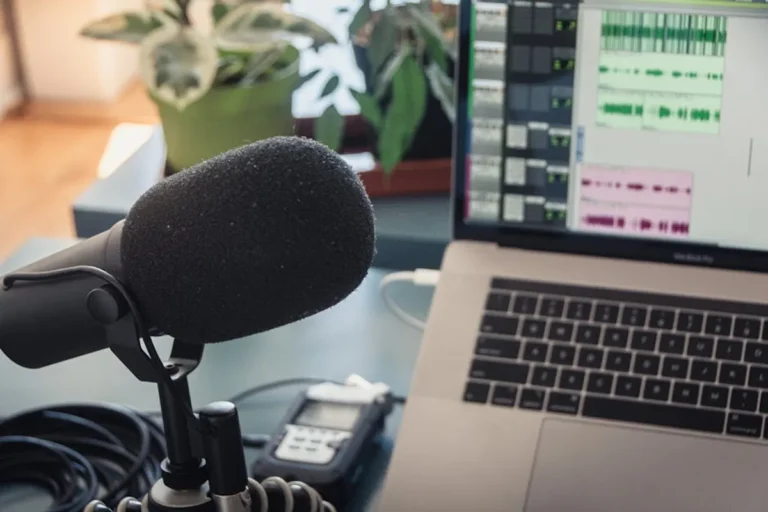
- For a hybrid setup: If you need both, consider a quality pair of studio headphones paired with a standalone USB microphone (e.g., a desktop condenser mic or a lavalier mic). This offers the best of both worlds without compromising either audio input or output quality.
Consider your environment as well. Open-back studio headphones are excellent for quiet home listening or mixing but are unsuitable for noisy environments or situations where sound leakage is a concern. Closed-back options offer isolation but may have a less natural soundstage.
Final Recommendation: Prioritize Your Main Activity
Ultimately, the decision between gaming headsets and studio headphones comes down to prioritizing your main activity. If immersive gameplay and clear team communication are paramount, a gaming headset provides an optimized, all-in-one solution. If accurate sound reproduction for creative work, critical listening, or audiophile enjoyment is your goal, studio headphones offer the precision and neutrality required. Understanding these distinct design philosophies ensures you invest in equipment that genuinely enhances your specific audio experience.
Frequently Asked Questions
Can I use studio headphones for gaming?
Yes, you can. Studio headphones often provide superior sound quality and spatial imaging compared to many gaming headsets, which can be beneficial for identifying in-game sound cues. However, they lack an integrated microphone, so you'll need a separate microphone for voice communication.
Are gaming headsets good for listening to music?
Gaming headsets are tuned for immersive gaming, which often means an emphasized bass and treble response. While this can make music sound "punchy" or "exciting," it typically sacrifices the neutral, balanced sound reproduction that music producers intend. For critical music listening, studio headphones or audiophile-grade headphones are generally preferred.
What is the main difference in sound between them?
Gaming headsets typically feature a "V-shaped" sound signature with boosted bass and treble for impact and clarity in games. Studio headphones aim for a "flat" or neutral frequency response, reproducing audio as accurately and uncolored as possible, which is crucial for monitoring and mixing.
Do studio headphones require an amplifier?
Many studio headphones, particularly those with higher impedance (e.g., 250 ohms or higher), benefit significantly from a dedicated headphone amplifier or an audio interface with a robust headphone output. This provides sufficient power to drive them effectively, ensuring optimal volume, dynamic range, and sound clarity.