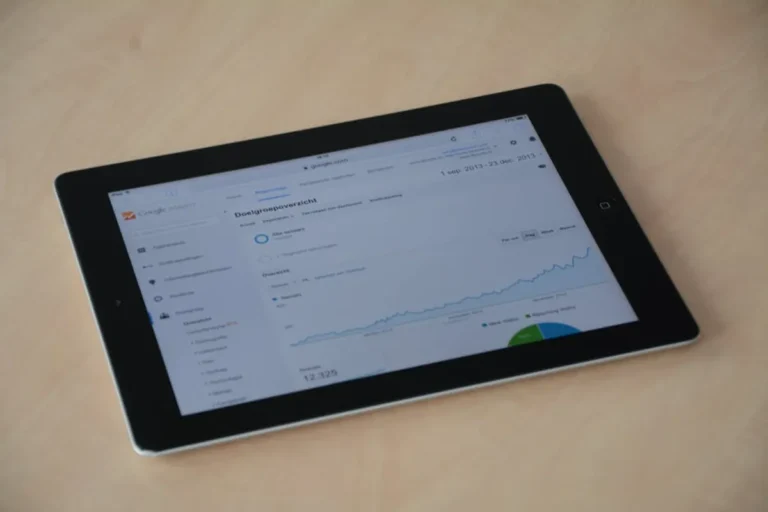

Monitoring keyword positions on Google is fundamental for any SEO strategy. A dedicated keyword position tool provides the granular data necessary to understand organic visibility, evaluate campaign effectiveness, and identify competitive opportunities. For SEO professionals, marketers, site owners, and agencies, the ability to find Google positions fast translates directly into agile decision-making and efficient resource allocation. The objective is not merely to see a number, but to gain actionable insights from rank fluctuations, SERP feature changes, and competitor movements, all delivered with speed and precision.
The Core Functionality of a Keyword Position Tool
A keyword position tool's primary role is to systematically track and report the search engine ranking of specific keywords for designated URLs. This automation eliminates manual checks, which are both time-consuming and prone to inaccuracy, especially across large keyword sets or diverse geographic targets. The value lies in its capacity to aggregate vast amounts of data and present it in an organized, digestible format.
Granular Tracking and Data Frequency
Effective position tracking relies on the frequency and depth of data collection. Tools offer varying refresh rates, from daily updates to hourly checks, or even on-demand refreshes. Daily tracking provides a consistent baseline for most campaigns, while hourly or on-demand options are critical for monitoring volatile SERPs, assessing the immediate impact of content updates, or reacting to breaking news cycles. This granularity allows for precise attribution of rank changes to specific actions or external events, offering a clear cause-and-effect relationship that informs subsequent optimization efforts.
Local and Global SERP Monitoring
Google's search results are increasingly localized and personalized. A robust keyword position tool accounts for this by allowing tracking across different geographic locations, down to specific cities or postal codes, and in various languages. This is crucial for businesses with local storefronts, regional marketing efforts, or international audiences. Global tracking ensures that content performance is assessed against the correct audience segment, preventing misinterpretation of overall rank data.
Competitor Position Analysis
Understanding your own rank is only half the picture; knowing where competitors stand for shared keywords provides critical strategic context. Keyword position tools enable direct comparison of your domain's performance against specified competitors, highlighting areas where they outperform you or where you are gaining ground. This competitive intelligence can inform content gaps, identify new keyword opportunities, and refine link building strategies.
Key Features for Rapid Insight Generation
Beyond basic rank reporting, advanced features accelerate the process of extracting actionable insights from large datasets. These functionalities are designed to streamline analysis and highlight critical information without extensive manual review.
Advanced Filtering and Segmentation
The ability to filter and segment keyword data is essential for rapid analysis. Tools typically allow filtering by:
- Keyword tags (e.g., branded, non-branded, long-tail, product-specific)
- Associated landing pages
- Search intent (informational, commercial, transactional)
- SERP features present (e.g., featured snippets, local packs, image carousels)
- Rank changes (e.g., keywords that gained or lost X positions)
This segmentation helps prioritize efforts, focusing on keywords tied to specific business objectives or those experiencing significant shifts.
Automated Reporting and Alerts
Scheduled reports deliver key performance indicators directly to your inbox, eliminating the need to manually log in and pull data. Customizable alerts provide real-time notifications for significant rank changes, such as dropping out of the top 10 for a critical keyword, or gaining a featured snippet. These automated systems ensure that critical shifts are identified and addressed promptly, minimizing potential negative impact or capitalizing on new opportunities.
SERP Feature Visibility Tracking
Modern SERPs are complex, featuring elements beyond the traditional "10 blue links." Tracking visibility in featured snippets, knowledge panels, local packs, image carousels, video carousels, and People Also Ask boxes provides a more complete understanding of search presence. A position tool that reports on these SERP features helps optimize for maximum visibility, not just organic rank number.
Historical Data Retention
Long-term historical data is invaluable for identifying trends, measuring the impact of past SEO efforts, and forecasting future performance. Tools that retain extensive historical data allow users to review rank changes over months or years, demonstrating ROI to stakeholders and informing long-term strategic adjustments. Without this context, current rank data lacks the necessary perspective for informed decision-making.
Practical Applications for SEO Professionals
The practical application of a fast keyword position tool spans several critical areas of SEO management.
Identifying Performance Shifts
Rapid access to rank data allows SEOs to quickly identify unexpected drops or gains in keyword positions. This immediate feedback loop is crucial for diagnosing issues such as algorithm updates, technical SEO problems, manual penalties, or successful content optimizations. Prompt identification enables swift investigation and corrective action, mitigating potential traffic and revenue losses.
Validating SEO Campaigns
When launching new content, executing a link building campaign, or optimizing existing pages, a keyword position tool provides direct evidence of effectiveness. By tracking target keywords, SEOs can correlate specific actions with subsequent rank changes, allowing for data-driven validation of strategies and tactics. This empirical feedback loop refines future campaign planning.
Informing Content Strategy
Analyzing keyword positions can highlight opportunities for content refinement or expansion. Keywords ranking on page two, for example, might require additional optimization to break into the top 10. Conversely, keywords with declining ranks may signal outdated content needing a refresh. The tool's data helps prioritize content creation and optimization efforts where they will have the most impact.
Selecting a Keyword Position Tool for Speed and Accuracy
When evaluating tools, prioritize those that offer a balance of data refresh frequency, accuracy, and comprehensive feature sets tailored to your specific operational needs. Consider the scale of keywords you need to track and the geographic diversity of your audience.
Pro Tip: Always verify the data accuracy and refresh rate claims of any position tracking tool. Inaccurate or infrequent data can lead to misguided SEO decisions. Look for tools that explicitly state their data sources and collection methodologies, and offer on-demand refresh options for critical keywords.
Key selection criteria include:
- Data Freshness: Does it offer daily, hourly, or on-demand updates?
- Geographic Precision: Can it track positions at the country, state, city, or even postal code level?
- SERP Feature Coverage: Does it report on featured snippets, local packs, and other rich results?
- Competitor Tracking: How many competitors can be tracked per project?
- Reporting and Alerts: Are reports customizable, and are alerts real-time and actionable?
- API Access: Is there an API for integrating data into custom dashboards or other platforms?
- Scalability: Can the tool handle your current and projected keyword volume without performance degradation?
- Historical Data: How long is historical rank data retained and accessible?
Actionable Insights from Position Data
Fast access to Google position data transforms reactive SEO into proactive strategy. It empowers professionals to quickly assess the landscape, identify opportunities, and mitigate risks. By leveraging detailed rank tracking, competitive analysis, and automated reporting, SEO teams can make informed decisions that drive organic traffic and improve search visibility. This continuous feedback loop ensures that resources are consistently directed towards the highest-impact activities, leading to sustained growth and measurable ROI.
Frequently Asked Questions
How often should I check keyword positions?
For most websites, daily tracking provides sufficient data to identify trends and significant shifts. For highly competitive niches, volatile SERPs, or during active campaign launches, hourly or on-demand checks may be beneficial to capture rapid fluctuations.
What is the difference between organic and local rank tracking?
Organic rank tracking monitors positions in the general "10 blue links" section of Google's search results. Local rank tracking specifically monitors positions within the local pack (map results) and localized organic results, often tied to a specific geographic location or business address.
Can these tools track SERP features?
Yes, many advanced keyword position tools track visibility within various SERP features, including featured snippets, People Also Ask boxes, video carousels, image packs, and local packs, providing a more comprehensive view of search presence beyond traditional organic rankings.
Why is historical rank data important?
Historical rank data provides context for current performance, allowing SEOs to analyze long-term trends, measure the impact of past optimization efforts, identify seasonality, and demonstrate the ROI of SEO campaigns over time. Without historical data, current ranks are just snapshots without narrative.