
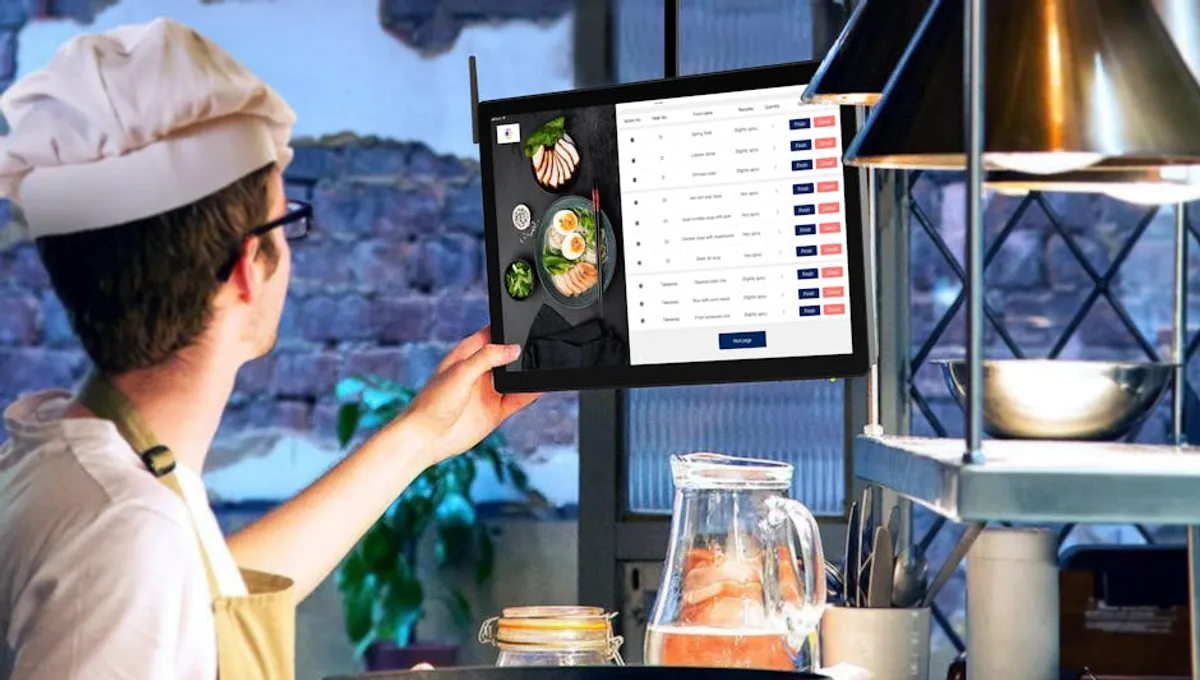
cookape.com occupies a distinct niche by blending culinary content with technological advancements, a combination that presents specific opportunities and challenges for organic search visibility. This domain’s focus on the "tech angle" within a traditionally broad topic like cooking suggests a deliberate strategy to attract an audience seeking innovation in their kitchens and understanding of food science. Analyzing its content and potential search footprint provides insight into how specialized content can carve out authority and capture specific user intent, distinguishing itself from general recipe or food blogs.
What cookape.com Appears to Cover
The content strategy on cookape.com appears centered on the intersection of food and technology. This includes articles covering smart kitchen appliances, precision cooking techniques, and the science behind food preparation. Specific content categories likely encompass reviews and comparisons of IoT-enabled kitchen gadgets, guides on using advanced tools like sous vide machines or air fryers, and explanations of molecular gastronomy principles for home cooks. The site also seems to address broader food-tech trends, such as sustainable food practices, food preservation technologies, and the impact of AI on recipe development. This approach suggests a focus on educating users about modern culinary methods, often with a practical, how-to orientation for integrating these technologies into daily cooking. The depth of articles often extends beyond simple recipes, providing context, scientific explanations, and comparative analysis of different technological solutions for food preparation.
Where Its Search Traffic May Come From
cookape.com’s search traffic likely originates from several distinct keyword types, reflecting its dual focus. Informational queries are a primary driver, with users searching for "how to use a smart oven," "benefits of induction cooking," or "what is food fermentation technology." Commercial investigation queries also contribute significantly, as users seek "best smart kitchen scales," "sous vide machine reviews," or "comparison of food dehydrators." Navigational searches, though potentially smaller in volume, would target specific brand names or product lines featured on the site, or the site itself if it builds strong brand recognition. The "tech angle" naturally lends itself to long-tail keywords, such as "troubleshooting smart refrigerator connectivity" or "scientific principles of sourdough starter," where competition might be lower and user intent highly specific. Traffic patterns would therefore show a mix of users looking for direct product advice, those seeking to understand new culinary concepts, and individuals researching specific cooking techniques enhanced by technology.
Search Intent Behind the Subject
The diverse content on cookape.com caters to a range of search intents. Users engaging with articles on smart kitchen appliances demonstrate commercial investigation intent, aiming to make informed purchasing decisions. They are looking for specifications, pros and cons, and user experiences. Content explaining culinary science or advanced cooking techniques, such as "the Maillard reaction in searing meat" or "understanding fermentation for probiotics," addresses informational intent, where users seek knowledge and understanding. Practical guides and tutorials, like "setting up a smart pantry system" or "precision cooking for perfect eggs," serve instructional intent, guiding users through specific processes. The site also captures problem-solving intent through articles addressing common challenges with kitchen tech or specific food preparation issues that technology can resolve. This blend of informational, commercial, and instructional content allows cookape.com to attract users at various stages of their culinary and tech adoption journey.
Why Traffic May Rise or Fall
cookape.com's search traffic is influenced by several factors. A rise in traffic could stem from timely coverage of emerging kitchen technologies, successful targeting of long-tail keywords related to food science, or strong E-E-A-T signals (Experience, Expertise, Authoritativeness, Trustworthiness) established through expert contributors in both culinary arts and technology. Consistent content updates, particularly for product reviews and tech guides, would also contribute positively. Conversely, traffic could fall due to algorithm updates that deprioritize less authoritative sources, a lack of fresh content in a rapidly evolving tech niche, or increased competition from larger publishers entering the food-tech space. Technical SEO issues, such as slow page load times or poor mobile responsiveness, could also negatively impact visibility. The cyclical nature of product releases and culinary trends means that content relevance and freshness are critical for sustained growth.
How the Site Could Improve Organic Visibility
To enhance organic visibility, cookape.com can focus on several key areas. Expanding topic clusters around specific smart kitchen ecosystems (e.g., "Google Home integrated kitchens," "Apple HomeKit cooking devices") would establish deeper authority. Implementing comprehensive schema markup for recipes, product reviews, and how-to guides would improve rich snippet eligibility and search result prominence. Developing more expert-driven content, featuring contributions from chefs, food scientists, or tech reviewers, would bolster E-E-A-T signals. A robust internal linking strategy, connecting related articles on culinary techniques, specific technologies, and product comparisons, would distribute link equity and reinforce topical relevance. Furthermore, conducting thorough keyword research to identify underserved long-tail queries at the intersection of food and technology could uncover new content opportunities with lower competition and high user intent. Regularly updating existing content, especially product-focused reviews, to reflect new models or software updates is also crucial for maintaining relevance.
What to Check Before Trusting Traffic Estimates
Before relying on third-party traffic estimates for cookape.com, it is essential to understand their limitations. These estimates are often based on sampled data and algorithmic projections, which may not accurately reflect the specific nuances of a niche site, especially one targeting a specialized "tech angle" within a broader category. Factors such as geographic targeting, the prevalence of long-tail keywords, and the freshness of the data can significantly skew projections. Direct analytics access provides the most accurate picture of user behavior, keyword performance, and conversion metrics. Without internal data, third-party tools can offer directional insights, but should always be viewed as approximations rather than definitive figures. Verifying the methodology of any estimation tool and cross-referencing with other available data points, where possible, helps in forming a more realistic assessment of a domain's search performance.
Frequently Asked Questions About cookape.com's Search Presence
What types of content drive the most traffic to cookape.com?
Content that combines practical cooking advice with specific technology insights, such as "reviews of smart kitchen appliances" or "how-to guides for advanced cooking gadgets," likely drives significant traffic due to their high commercial and instructional intent.
How does the "tech angle" affect cookape.com's keyword strategy?
The "tech angle" encourages a keyword strategy that targets specific product names, technical specifications, and problem-solving queries related to kitchen technology, often leading to more precise and less competitive long-tail opportunities than general cooking terms.
What role does E-E-A-T play for a site like cookape.com?
E-E-A-T is critical for cookape.com, as users seek trustworthy information on both culinary techniques and complex technology. Demonstrating expertise through detailed reviews, scientific explanations, and credible author profiles builds confidence and improves search rankings.
Are there specific content gaps cookape.com could address?
Potential content gaps might include deeper dives into emerging food science research, comparative analyses of kitchen software platforms, or long-term reviews of smart devices to assess durability and evolving features, catering to highly engaged tech-savvy cooks.