
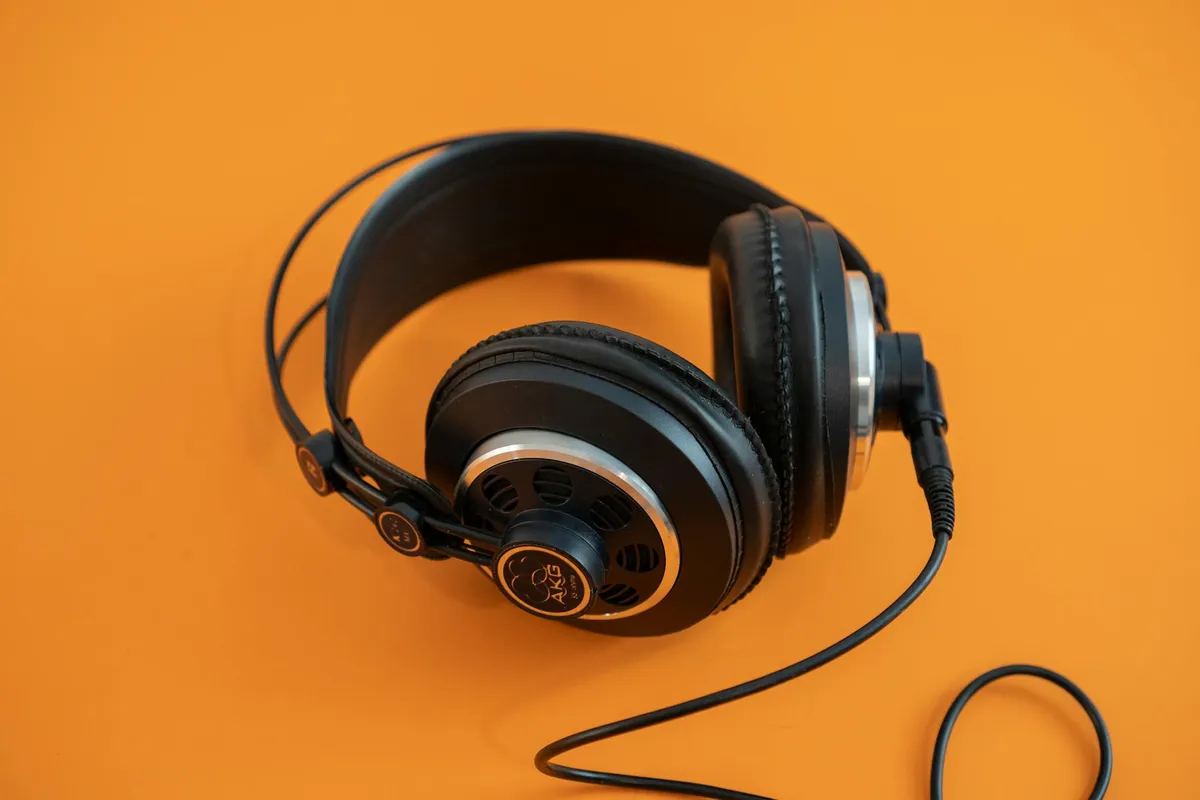
Most audio products under $200 are mediocre. The mass market produces volume rather than quality. Standing out from the mass market requires specific design choices that most budget products don't make.
A small number of products do produce excellent value at sub-$200 prices. They genuinely punch above their price tier and compete with substantially more expensive alternatives. Identifying these products requires actual testing rather than relying on marketing.
Here are six budget audio picks under $200 that actually deliver. Each tested across multiple use cases.
1. AKG K371 (0)
Closed-back headphones with surprising accuracy at this price.
Why it punches above price: Frequency response is accurate by Harman target standards. Build quality is solid. Comfortable for long sessions. Foldable for portability.
What it competes with: Headphones in the $250-350 range for accurate closed-back sound.
Where it falls short: Soundstage is narrow (typical for closed-back). Treble is slightly polite for some genres.
Best for: Studio monitoring, home use needing isolation, podcasting reference.
Verdict: Best $150 headphone available. Genuinely impressive value.
2. Sennheiser HD 559 (0)
Open-back headphones from Sennheiser at a budget price.
Why it punches above price: Sennheiser tuning at budget price. Comfortable. Wide soundstage typical of open-back. Surprisingly clean detail.
What it competes with: Open-back headphones in the $200-300 range for natural sound.
Where it falls short: Build quality is plastic. Cable is fixed. Not as refined as the HD 600.
Best for: First open-back experience, casual home listening, gaming.
Verdict: Excellent introduction to open-back at modest price.
3. Topping E30 II + L30 II stack (0 combined)
Separate DAC and amplifier from a value-focused brand.
Why it punches above price: Measurement performance comparable to alternatives at 2-3x the price. Substantial power for headphones up to 300 ohms. Clean output without coloration.
What it competes with: DAC/amp combinations in the $400-500 range.
Where it falls short: Build quality is functional rather than premium. No analog inputs. No headphone-specific features (gain switches, etc.).
Best for: Desktop systems with quality headphones. First-time buyers wanting separate components.
Verdict: Best DAC/amp value at this price point.
4. Beyerdynamic DT 770 Pro 80 Ohm (0)
Closed-back studio reference at a price-performance sweet spot.
Why it punches above price: Decades of professional use have refined this design. Substantial isolation. Distinctive treble character that many users prefer. Robust build that lasts years.
What it competes with: Studio closed-backs in the $250-350 range.
Where it falls short: Treble is forward (some listeners find it sharp). Bass is substantial (genre-dependent preference).
Best for: Studio recording, home monitoring needing isolation, gaming.
Verdict: Reliable choice. Many users have one for years without upgrading.
5. HiFiMan HE400se (0)
Planar magnetic headphones at the price of decent dynamics.
Why it punches above price: Planar magnetic design produces specific advantages (transient response, low distortion) typically reserved for $300+ products.
What it competes with: Planar magnetic headphones in the $250-400 range.
Where it falls short: Build quality is budget. Comfort is acceptable but not exceptional. Needs more amplifier power than easy-to-drive alternatives.
Best for: First planar magnetic experience. Critical listening on a budget.
Verdict: Brings planar sound to a price point where it didn't previously exist.
6. Drop + JVC HA-FXT200LTD (0)
In-ear monitors with substantial sound quality.
Why it punches above price: Dual dynamic driver design. Detailed sound. Comfortable fit for typical ear shapes. Cable is replaceable.
What it competes with: IEMs in the $250-350 range.
Where it falls short: Cable is microphonic. Sound signature is energetic (some find it too forward).
Best for: Portable critical listening. Travel.
Verdict: One of the best portable audio values currently available.
Honorable mentions
Several products that almost made the list:
Apple AirPods (3rd gen) at $170: Excellent for iPhone integration. Sound quality has improved substantially. Limited compelling case for non-Apple users.
Tin HiFi T2 at $50: Outstanding value IEMs. Limited primarily by treble characteristic.
JBL Flip 6 at $130: Best portable speaker in this price range. Listed only because we focused on personal audio.
FiiO BTR5 at $150: Bluetooth DAC/amp for portable use. Good if you need wireless DAC functionality.
These products represent good value but didn't quite achieve the punching-above-price status of the main six.
What separates these from typical budget audio
The selected products share specific properties:
Established manufacturers. Each product comes from a manufacturer with substantial track record. Random brands rarely produce equivalent quality.
Specific design heritage. Each product builds on specific engineering knowledge from its maker. The K371 came from AKG's monitor heritage. The HE400se applies HiFiMan's planar expertise. The DT 770 evolved from decades of professional use.
Measured performance. Each product has measurement data supporting its sound claims. Products without measurement data warrant skepticism.
Sustained availability. Each product has been available for substantial time. Recent releases without track record may not maintain quality.
Service and support. Each manufacturer provides reasonable service. Products from manufacturers without service can become unusable when issues emerge.
These properties separate the listed products from the broader budget audio market.
Common budget audio mistakes
Patterns that produce wasted money:
Buying random brands from major retailers. Amazon and similar retailers have substantial volume of budget audio from unknown brands. Most produces poor quality.
Trusting Amazon reviews. Amazon reviews for audio products are gameable. Five-star reviews don't correlate with audio quality.
Buying based on aesthetics rather than acoustic design. Many budget products prioritize look over sound. Quality sound rarely correlates with attention-getting designs.
Buying from "audiophile" brands you haven't heard of. Real audiophile brands have substantial reputations. Brands claiming audiophile status without reputation are typically marketing rather than substance.
Underestimating the established budget brands. Sennheiser, Beyerdynamic, AKG, HiFiMan, and similar produce excellent budget products. The "audiophile" community sometimes dismisses budget products from these brands without justification.
Each mistake leads consumers to worse products than the alternatives.
Building a budget system
A complete budget audio system using selected products:
$200 budget system: Drop HD 6XX or AKG K371 ($150) + competent amp/DAC ($50). Adequate quality for most listening.
$300 budget system: Sennheiser HD 559 or HE400se ($150) + Topping E30 II + L30 II stack ($150). Excellent quality.
$500 budget system: Drop HD 6XX ($220) + Topping E30 II + L30 II stack ($200) + premium streaming ($50/year). Outstanding value.
Each system delivers quality competing with substantially more expensive alternatives.
What budget audio doesn't do
Honest acknowledgment of budget audio limitations:
Budget audio rarely matches the absolute best of premium audio. Specific differences exist.
Budget audio has specific durability characteristics that may differ from premium products.
Budget audio often lacks specific features (specific connector types, advanced controls, etc.) that premium products include.
Budget audio service and support may be more limited than premium service.
For listeners with specific high-end requirements, budget audio may not be sufficient. For most listeners, the limitations don't matter substantially.
The diminishing returns reality
Audio diminishing returns are real and steep:
The improvement from $50 headphones to $200 headphones is substantial.
The improvement from $200 to $500 headphones is meaningful.
The improvement from $500 to $1,500 headphones is real but smaller.
The improvement from $1,500 to $3,000+ headphones is small to subtle.
For most listeners, the $200-500 range produces excellent value. Going below limits quality; going above produces limited proportional improvement.
Budget audio that punches above its price brings the quality of higher tiers within reach of more listeners.
Where to buy
For purchasing the selected products:
Authorized dealers for warranty support and authentic products.
Direct from manufacturer for some products (Drop, Topping).
Established audio retailers (B&H, Crutchfield, etc.) for in-person support.
Used markets for additional savings on specific products. Verify condition carefully.
Avoid:
Random Amazon sellers without authorized status.
Ebay sellers without substantial reputation.
Specific gray market sources without warranty support.
The honest summary
Six products under $200 deliver excellent audio value. Each genuinely punches above its price tier and produces quality competing with substantially more expensive alternatives.
Building budget audio systems using these products produces results that satisfy most listeners across years of use. Continuous upgrade pressure isn't justified by audible improvement at higher price tiers for most cases.
The audio industry will pressure spending beyond what these products require. The pressure should be resisted unless specific identified limitations warrant addressing.
For first-time audio buyers or budget-conscious upgraders, the listed products represent excellent starting points. The quality is real. The value is substantial. The sustained satisfaction is achievable.
Buy what works. Listen with attention. Enjoy the music. The budget audio market actually has good options if you know where to look.